Free Resources for Teaching Study Skills

Pennington Publishing's Essential Study Skills

Essential Study Skills

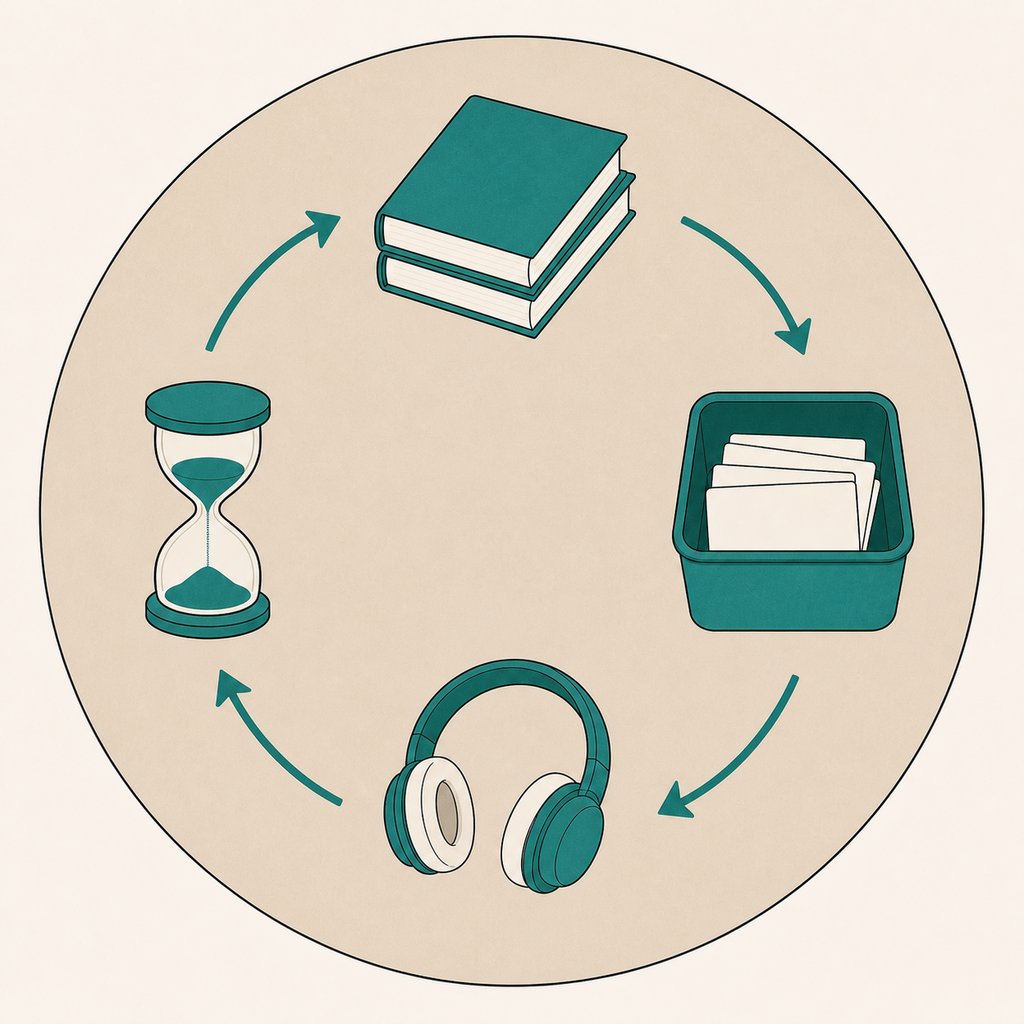
Teachers frequently are shocked by their students’ lack of study skills. Some teachers assume that most study skills are simply common sense and do not need instruction. Or, maybe each teacher thinks that “some other teacher” should or has already taught them. From my own teaching experience, I have come to believe that study skills are not caught, but must be taught.

All content teachers have the responsibility to teach these essential learning skills. Mastering study skills will help your students “work smarter, not harder.” If students learn these skills, they will spend less time, but accomplish more during homework and study time. Students will memorize better and forget less. Their test study will be more productive and students will achieve better grades. Reading comprehension, speed, and retention will improve. Writing will more coherent and essays will be easier to plan and complete.

Following are articles, free resources (including reading assessments), and teaching tips regarding how to teach the essential study skills from the Pennington Publishing Blog. Bookmark and visit us often. Also, check out the quality instructional programs and resources offered by Pennington Publishing.

Study Skills

Essential Study Skills

https://blog.penningtonpublishing.com/study_skills/summer-daily-brainwork/

Looking to prevent summer brain-freeze and help your child get a jump start on the next school year? The tips from Summer Daily Brainwork will teach your child to “work smarter, not harder.” Students who master these skills will spend less time, and accomplish more during homework and study time.

How to Avoid Procrastination

https://blog.penningtonpublishing.com/study_skills/how-to-avoid-procrastination/

This article explains why people procrastinate and gives you the tools that will help replace bad habits with good ones. Learn how to develop a workable plan to avoid procrastination. These practical, easy-to-understand suggestions will help you avoid putting off until tomorrow what you could be doing today.

Learn How to Study

https://blog.penningtonpublishing.com/study_skills/daily-school-and-work-review/

Learning how to study is a skill that is taught, more so than caught. Memory research tells us that we remember up to 70% of new information if that information is practiced within 24 hours. Learn how to practice key information from school and the workplace to interrupt the “forgetting cycle” with the Quick Daily Review.

How to Take Notes

https://blog.penningtonpublishing.com/reading/how-to-take-notes/

Some teachers seem to feel that knowing how to take notes is simply a matter of common sense. However, this is simply not true. Taking effective notes is a skill. Good note-taking can improve comprehension of the information presented in class and in textbooks. It can also help organize for test study. This article teaches the four best strategies for note-taking success: formal outline, webbing, Cornell Notes, and margin notes.

How Margin Notes are Better than the Yellow Highlighter

https://blog.penningtonpublishing.com/reading/how-margin-notes-are-better-than-the-yellow-highlighter/

The key to reading comprehension and retention is interactive reading. To prepare effectively for tests and discussion, marginal annotations prompt that internal dialogue with the author. This article provides the prompts you need to annotate texts well and tells why you should get rid of your yellow highlighters.

How to Get Motivated and Set Goals: The Top Ten Tips

https://blog.penningtonpublishing.com/study_skills/how-to-get-motivated-and-set-goals-the-top-ten-tips/

Motivation and goal-setting techniques should work together to produce effective behavioral change. This article will give you the plan to avoid procrastination and develop the discipline needed to achieve your goals.

How to Study: The Top Ten Tips

https://blog.penningtonpublishing.com/study_skills/how-to-study-the-top-ten-tips/

Good students have learned that knowing how to study is just as important as knowing what to study. Good study habits are not just common sense; they have to be learned and practiced. This article discusses how to create a study environment and gives practical tips on how to study effectively.

Six Steps to Active Listening

https://blog.penningtonpublishing.com/study_skills/six-steps-to-active-listening/

Good listening skills need to be learned and practiced. They are not just common sense. Learning new habits to replace old ones takes time and patience. However, everyone can improve listening skills by applying the Six Steps to Active Listening found in this short article.

Top Ten Memory Tips

https://blog.penningtonpublishing.com/study_skills/top-ten-memory-tips/

Improving memory helps in all walks of life: business, school, and relationships. Learning and applying the Top Ten Memory Tips will significantly improve your short and long term memory. Who knows? After reading this list, you just might remember where you left your car keys.

How to Memorize Using the Grouping Technique

https://blog.penningtonpublishing.com/study_skills/how-to-memorize-using-the-grouping-technique/

This simple memory technique will help students of all ages place many items into the long term memory. Using the grouping technique, the seeming trivia of the academic disciplines is organized into meaningful and memorable categories. Score higher on tests and make study fun by learning the way our brains are organized.

How to Memorize Using the Catch Words Technique

https://blog.penningtonpublishing.com/study_skills/how-to-memorize-using-the-catch-words-technique/

Improve your long term memory by using catch words. Students will especially appreciate how catch words will help organize their test study. Catch words are useful for simple day to day facts that need to be memorized. You may also figure out why “ROY G. BIV” has helped millions remember the colors of the rainbow in order.

How to Memorize Using the Catch Sentences Technique

https://blog.penningtonpublishing.com/study_skills/how-to-memorize-using-the-catch-sentences-technique/

Learn how to significantly improve your long term memory by using catch sentences. Students will especially love how catch sentences will help organize their test study. Catch sentences are useful for many aspects of daily life. You may also figure out why “Every good boy does fine” has helped millions learn to play the piano.

How to Memorize Using the Association Technique

https://blog.penningtonpublishing.com/study_skills/how-to-memorize-using-the-association-technique/

Need to improve your long term memory? The association memory trick will help students prepare more efficiently for tests. The trick will help sales people remember names. Learn how to significantly improve your long term memory by using catch sentences. You may also find out how the memory experts can memorize the names of an entire studio audience.

How to Memorize Using the Linking Technique

https://blog.penningtonpublishing.com/study_skills/how-to-memorize-using-the-linking-technique/

The linking memory technique is one of the best memory methods to memorize lists of seemingly unrelated objects. Learn how to significantly improve your long term memory by using the linking strategies. Once you’ve made a link, you won’t have to think—you’ll just remember.

How to Memorize Using the Location Memory Technique

https://blog.penningtonpublishing.com/study_skills/how-to-memorize-using-the-location-memory-technique/

Location! Location! Location! The real estate professionals haven’t cornered the market on this strategy. Developed by the ancient Greeks, using familiar locations to memorize many ideas or objects has always proved a full-proof method of memorization. Have a speech or business presentation? This article will give you the tools to place the words into your long term memory.

How to Memorize Using the This Old Man Technique

How to Memorize Using the This Old Man Technique

Who would think that a simple nursery rhyme, “This Old Man,” could help you memorize ten completely unrelated items in perfect order. Great for a business presentation. Useful for test study. Wonderful for a grocery or any to-do list. Once learned, the information will be retained in the long term memory.

More Articles, Free Resources, and Teaching Tips from the Pennington Publishing Blog

English-Language Arts and Reading Intervention Articles and Resources 

Bookmark and check back often for new articles and free ELA/reading resources from Pennington Publishing.

*****

Pennington Publishing’s mission is to provide the finest in assessment-based ELA and reading intervention resources for grades 4‒high school teachers. Mark Pennington is the author of many printable and digital programs. Please check out Pennington Publishing for assessment-based resources created for teachers by a fellow teacher.

Study Skills , , , , , , , , , , , , , , , , , , , , , , , , , , , , , , , , , , , , , , , , , , , , , , , , , , , ,


Free Resources on Educational Issues and Teaching Trends

Teachers Pre-teach before Assessment

Pre-teach before Assessment

Even though we teachers like to think that we are “kings and queens of our own castles,” we are not immune to outside influences. As public servants, what we do in the classroom is impacted by political, economic, and social change. For better or worse, we live in a democracy.

In addition to our roles as public servants, we are also research scientists. More precisely, we are social scientists with a complex and evolving laboratory of students, parents, administration, and teaching colleagues.

As servants and scientists, educational issues and teaching trends affect who we are and how we teach more than many of us like to admit. The veteran teachers who roll their collective eyes and say “What comes around, goes around” know a thing or two. They know that sometimes the tail wags the dog-that things go on that determine what we do as professional educators. Now, change is good. But change with perspective and judgment is better.

Following are articles and practical resources regarding educational issues and teaching trends from the Pennington Publishing Blog. Also, check out the quality instructional programs and resources offered by Pennington Publishing.

Educational Issues and Teaching Trends

Sans Forgetica

Have you heard of this new font, developed to increase reading comprehension? Check out my take on this latest and greatest gimmick from the University of Melbourne.

Don’t Rely on Rigor and Relevance

https://blog.penningtonpublishing.com/reading/don’t-rely-on-rigor-and-relevance/

As a precursor to the current economic crisis, the educational leadership trend was the Rigor and Relevance Movement. Popularized over the last decade by Bill Daggett and the International Center for Leadership in Education, with concurrent support from the Institute of Education Sciences (the federal research agency arm of the U.S. Department of Education), the movement has swept the nation. Largely as a result of historical timing, the Rigor and Relevance (and now, relationships) Movement has become the de facto solution to the ills of public education. A critique of this movement points out a few noteworthy deficits in philosophy and pedagogy.

Curricular Maps for Grades 4, 5, 6. 7, and 8

https://blog.penningtonpublishing.com/grammar_mechanics/curricular-maps-for-grades-4-5-6-7-and-8/

Common Core Literalism

https://blog.penningtonpublishing.com/reading/common-core-literalism/

Some educators are taking the Common Core State Standards (CCSS) in a wooden literal sense: not at all in the ways that the Common Core authors intended the Standards to be used. The CCSS authors trust administrators, teachers, and publishers to exercise some judgment regarding the implementation of the Standards. This is especially true with necessary prerequisite skills and with remediation. The Standards were not intended as educational straight-jackets.

Misleading Educational Malpractice

https://blog.penningtonpublishing.com/reading/misleading-educational-malpractice/

Response to Intervention and the Common Core

https://blog.penningtonpublishing.com/reading/common-core-di-rti-and-ell/

RTI (Response to Intervention), ELL, ESL, and ELD (English Language Development), and DI (Differentiated/Individualized Instruction), instructional strategies are all validated in the Common Core State Standards. Common Core writers have clearly gone out of their way to assure educators that the Standards establish the what, but not the how of instruction.

School Absence Excuses

https://blog.penningtonpublishing.com/reading/school-absence-excuses/

Teacher Hygee

https://blog.penningtonpublishing.com/reading/teacher-hygge/

Summer Mindfulness

https://blog.penningtonpublishing.com/reading/summer-teacher-mindfulness/

Crazy Reading Fads

https://blog.penningtonpublishing.com/reading/crazy-reading-fads/

As an MA reading specialist, I’ve seen some strange remedial reading fads come and go over the years. Much like new weight loss products, each new fad looks enticing and promising. Let’s face it. Everyone wants the magic reading pill that will transform poor readers into skillful readers overnight.

Strange, but True: “Stuffed Animals Increase Reading Levels”

https://blog.penningtonpublishing.com/reading/strange-but-true-stuffed-animals-increase-reading-levels/

According to Riddering, students were given a stuffed animal as a “reading buddy” and were encouraged to read to their buddy. Because of this method, reading scores increased greatly.

“One school in particular saw their sixth grade reading levels go from just 47 percent to 93 percent,” Riddering said. “That’s huge success!”

Teacher Talk

https://blog.penningtonpublishing.com/reading/teacher-talk-top-60/

Educational Fads: What Goes Around Comes Around

https://blog.penningtonpublishing.com/reading/educational-fads-what-goes-around-comes-around/

Teaching is, by its very nature, experimental. We teachers are just as susceptible to snake-oil sales pitches, fads, and cultural pressures as any professionals. Educational fads seem to come and go. Teachers need to learn to “crap detectors” to avoid some of the pitfalls of educational bandwagoning and experimentation.

Assessment-based Re-teaching

https://blog.penningtonpublishing.com/reading/assessment-based-re-teaching/

  1. It just hit me. I cared more about the quality of what I taught and how I taught it, than what the students needed to learn and if the students learned it. The focus isn’t a distinction without a difference. It’s a game-changer. If you are willing to re-teach what you’ve already taught (and not yet taught) this year, check out my 14 FREE diagnostic ELA and reading assessments with recording matrices. These quick, comprehensive, whole-class tests will give you teachable data to re-teach students what they need.

Mastery Learning in RtI

https://blog.penningtonpublishing.com/reading/mastery-learning-in-rti/

What if a shaky foundation is what we’re dealing with now? We can’t do anything about the past. Teachers can start playing the blame game and complain that we’re stuck teaching reading to students who missed key foundational components, such as phonics. All-too-often, response to intervention teachers are ignoring shaky foundations and are trying to layer on survival skills without fixing the real problems. Instead, teachers should re-build the foundation. Teachers can figure out what is missing in the individual student skill-sets and fill the gaps… this time with mastery learning. Get Pennington Publishing’s set of diagnostic reading assessments absolutely FREE with the link in this article.

Pre-teach before Assessment

https://blog.penningtonpublishing.com/reading/pre-teach-before-assessment/

Call it what you wish: summer brain-drain, poor retention, a learning disability, problem with learning styles, developmental delay, or lack of motivation or practice… some students just seem to forget what they have learned before. Good assessments catch students at their best. That’s why it makes sense to pre-teach before teachers assess to help students retrieve prior knowledge and get the assessment results that will help us design efficient instruction.

More Articles, Free Resources, and Teaching Tips from the Pennington Publishing Blog

English-Language Arts and Reading Intervention Articles and Resources 

Bookmark and check back often for new articles and free ELA/reading resources from Pennington Publishing.

………………………………………………………………………………………………………………………………………………………………………………………………………………………………………………………………………………………

Pennington Publishing’s mission is to provide the finest in assessment-based ELA and reading intervention resources for grades 4‒high school teachers. Mark Pennington is the author of two Standards-aligned programs: TEACHING ESSAYS BUNDLE and Grammar, Mechanics, Spelling, and Vocabulary Mark’s comprehensive Teaching Reading Strategies and the accompanying Sam and Friends Guided Reading Phonics Books help struggling readers significantly improve their reading skills in a full-year or half-year intensive reading intervention program. Make sure to check out Pennington Publishing’s free ELA and reading assessments to help you pinpoint grammar, usage, mechanics, spelling, and reading deficits.

Grammar/Mechanics, Literacy Centers, Reading, Spelling/Vocabulary, Study Skills, Writing , , , , , , , , , , , , , , , , , , , , , , , , , , , , , , , , , , , ,


Free Resources for Professional Development

Some of the worst teaching I’ve ever experienced has come from good teachers. Most all teachers have been exposed to this common phenomena. Often it takes place on a regular basis at the end of a long school day, once or twice a month. Sometimes it rears its ugly head during the summer and almost always on specially designated days preceding the start of the school year, when everyone wants to be in their classroom or going out to lunch with colleagues. It’s affectionately known as professional development.

Now to be fair, some of the best teaching I’ve ever experienced has come from good teachers and in the context of professional development. These are the teachers that have learned their audience and how to teach that audience. It’s qualitatively different than teaching a class of elementary, middle, or high school students.

Teachers tend to be a tough and judgmental crowd. Especially when held as a captive audience. Often the most open-minded thinkers become the most close-minded learners in professional development meetings. However, there are some basic principles, strategies, and tricks of the trade that will improve the delivery of professional development in a variety of contexts.

Following are articles, free resources, and tips regarding professional development from the Pennington Publishing Blog. Bookmark and visit us often. Also, check out the quality instructional programs and resources offered by Pennington Publishing.

Professional Development

Effective Secondary School Reading Staff Development

https://blog.penningtonpublishing.com/reading/effective-secondary-school-reading-staff-development/

Reading staff developments at the middle and high school levels can be challenging. However, accomplishing three goals will improve results significantly. Learn three sure-fire components for effective secondary reading staff development.

How to be an Effective Reading Specialist

https://blog.penningtonpublishing.com/reading/how-to-be-an-effective-reading-specialist/

As an elementary reading specialist and staff developer for five years, I learned from lots of my mistakes.  In the hope that prospective reading specialists, coaches, and staff developer might learn from someone else’s mistakes, I’ve jotted down a few tips.

Why Johnny Still Can’t Read

https://blog.penningtonpublishing.com/reading/why-johnny-still-cant-read/

Meet Johnny. Although… you probably already know him. Johnny has reading problems. Learn why and what you can do to make a difference in his life.

Why Johnny Can’t Spell

https://blog.penningtonpublishing.com/spelling_vocabulary/why-johnny-cant-spell/

“Johnny could be a great writer, but his terrible spelling just gets in the way.” It may be unfair, but society judges poor spellers quite harshly. Misspelling words on a job application won’t land Johnny a job. Use an effective diagnostic test to pinpoint his spelling weaknesses.

The Four Myths of Grammar Instruction

https://blog.penningtonpublishing.com/grammar_mechanics/the-four-myths-of-grammar-instruction/

Many Americans use poor grammar because of poor teaching. The “whole language” movement of the 1980s and 1990s relegated grammatical instruction to a simple editing step in the Writing Process. A new generation of teachers is playing “catch-up” to learn grammatical rules in order to rectify horrendous standardized test scores, including those on the new writing component of the SAT®. This short article identifies and debunks the widely-held grammatical myths.

Teacher Professional Organizations

https://blog.penningtonpublishing.com/study_skills/teacher-professional-organizations/

Here is a great list of professional organizations for teachers.

Ten Start-up Tips for New Teachers

https://blog.penningtonpublishing.com/reading/ten-start-up-tips-for-new-teachers/

New teachers can “make or break” their school year in the very first days and weeks. Here are 10 start-up tips for new teachers that will ensure success and prevent costly mistakes.

More Articles, Free Resources, and Teaching Tips from the Pennington Publishing Blog

English-Language Arts and Reading Intervention Articles and Resources 

Bookmark and check back often for new articles and free ELA/reading resources from Pennington Publishing.

*****

Pennington Publishing’s mission is to provide the finest in assessment-based ELA and reading intervention resources for grades 4‒high school teachers. Mark Pennington is the author of many printable and digital programs. Please check out Pennington Publishing for assessment-based resources created for teachers by a fellow teacher.

Grammar/Mechanics, Reading, Spelling/Vocabulary, Study Skills, Writing , , , , , , , , , , , , , , , , , , , ,


Free Resources on Developmental Characteristics of Learners

As an English-language arts teacher and MA reading specialist, I am firmly committed to standards-based instruction, to a point. It makes sense to have specific end goals within an established scope and sequence of instruction to which we all adhere. We are public school teachers. The public has, and should have, input into what we teach to a degree. We are not lone-rangers, nor are we completely autonomous practitioners of our private teaching craft.

However, I am also committed to teaching students as individuals. Knowing individual academic strengths via diagnostic assessments makes sense. Differentiating instruction accordingly also makes sense. Some scaffolds have to be built for some students to master rigorous academic standards.

Beyond teaching to the standards and teaching to students as individuals, we also need to teach to the culture and developmental characteristics of our learners. If we ignore this last component, standards and individual-based learning simply will not take place.

Following are articles, free resources, and teaching tips regarding the developmental characteristics of preteen through adult learners from the Pennington Publishing Blog. Also, check out the quality instructional programs and resources offered by Pennington Publishing.

Developmental Characteristics

Characteristics of Pre-teens in Reading Intervention

Characteristics of Pre-teen Learners

Characteristics of Pre-Teen Learners

https://blog.penningtonpublishing.com/reading/characteristics-of-pre-teen-learners/

Knowing the developmental characteristics of pre-teen students allows teaching professionals to maximize learning. These learner characteristics enable teachers to better motivate their students and inform instructional decision-making. Knowing who you teach will help you know what to teach.

Characteristics of Middle School Learners

Characteristics of Middle School Students in Reading Intervention

Characteristics of Middle School Students

https://blog.penningtonpublishing.com/reading/characteristics-of-middle-school-learners/

Knowing the developmental characteristics of middle school students allows teaching professionals to maximize learning. These learner characteristics enable teachers to better motivate their students and inform instructional decision-making. Knowing who you teach will help you know what to teach.

Characteristics of High School Students in Reading Intervention

Characteristics of High School Students

Characteristics of High School Learners

https://blog.penningtonpublishing.com/reading/characteristics-of-high-school-learners/

Knowing the developmental characteristics of high school students allows teaching professionals to maximize learning. These learner characteristics enable teachers to better motivate their students and inform instructional decision-making. Knowing who you teach will help you know what to teach.

Characteristics of Adult Learners

Characteristics of Adult Learners in Reading Intervention

Characteristics of Adult Learners

https://blog.penningtonpublishing.com/reading/characteristics-of-adult-learners/

Adult learners are qualitatively different than younger learners. You certainly can “teach an old dog new tricks” by understanding the cognitive and social characteristics of adult learners. Using the right instructional strategies to maximize the learning advantages and address the learning challenges of adult learners can make all the difference in their success…

Help! My Child Won’t Read or Write

https://blog.penningtonpublishing.com/reading/help-my-child-won’t-read-or-write/

Most children will not read or write with accountability. Providing that accountability will not ruin a child’s love of reading or writing in the long run.

How to Teach Reading to Children, Youth, and Adults

https://blog.penningtonpublishing.com/reading/how-to-teach-reading-to-children-youth-and-adults/

Should you teach reading to children, youth, and adults in the same way? The answers may surprise you in this strategy-filled article.

More Articles, Free Resources, and Teaching Tips from the Pennington Publishing Blog

English-Language Arts and Reading Intervention Articles and Resources 

Bookmark and check back often for new articles and free ELA/reading resources from Pennington Publishing.

*****

Pennington Publishing’s mission is to provide the finest in assessment-based ELA and reading intervention resources for grades 4‒high school teachers. Mark Pennington is the author of many printable and digital programs. Please check out Pennington Publishing for assessment-based resources created for teachers by a fellow teacher.

Reading, Spelling/Vocabulary, Study Skills, Writing , , , , , , , , , , , ,


Free Resources for Test Preparation

Test Prep

Test Prep Articles

Like most teachers, I teach test preparation strategies in my content area-English-language arts. I teach how to study and how to take tests. As an MA Reading Specialist, I happen to think that it’s an important reading skill. However, despite pressures from some to teach to the annual state and district standardized tests, I just smile and continue to teach to the established standards and to the needs of my students. In other words, I think I teach what I’m supposed to teach and to whom. Not all of my colleagues share my views. We just have a basic, honest disagreement on this matter.

Some of my colleagues support teaching “power standards” and use “release questions” to practice for the annual standardized tests. Some spend considerable amounts of time composing benchmark assessments in the standardized test format. Some colleagues plan mini-lessons to address relative weaknesses indicated through item analyses of the test data. Some minimize instruction in content and/or skills that are untested or seem to be relative strengths. Some plan and prioritize their instructional minutes and assessments to match the percentage allotment of test questions. If 7% of the subtest consists of word analysis questions, then they plan 7% of their instructional delivery time and 7% of the questions on their unit tests to match. Some essentially abandon instruction the last week or so prior to the standardized test in order to review test-taking strategies and practice test questions. The standardized test certainly does drive instruction for some teachers, and they readily admit that this is the case.

Now I’d like to report that my method of teaching to the standards and students produces superior standardized test results than my more zealous standardized test colleagues; however, states wisely have precluded this kind of data analysis. But, to be completely honest… If we were able to determine that my colleague achieved superior test scores, I doubt whether I would alter much of my instruction accordingly. I don’t think I’m stubborn or close-minded. I steal from my colleagues all the time, but I better trust the process of teaching to the standards and to my students than the process of teaching to the standardized test.

Following are articles, free resources, and teaching tips regarding how to prepare students for test preparation from the Pennington Publishing Blog. Bookmark and visit us often. Also, check out the quality instructional programs and resources offered by Pennington Publishing.

Test Preparation

How to Study in Advance for Tests

https://blog.penningtonpublishing.com/study_skills/how-to-study-in-advance-for-tests/

Although cramming for a test is somewhat effective, studying over a period of days prior to the test gets better results. Learn how to prepare in advance by practicing a daily review of notes, asking the right questions of the teacher, and forming a study group. This article details the best advance strategies for test success.

How to Take Tests

https://blog.penningtonpublishing.com/study_skills/how-to-take-tests/

Although your effective test study does increase the likelihood of test success, it is only half of the equation. The other critical half is how you take the test. Developing a test plan will reduce stress, manage time, and maximize success. This article details the best strategies for taking a test.

How to Reduce Test Anxiety

https://blog.penningtonpublishing.com/study_skills/how-to-reduce-test-anxiety/

Test anxiety plagues students of all ages. This article teaches you how to relax and build test-taking confidence with positive self-talk and practical strategies.

The Phenomenal Five Objective Test Tips

https://blog.penningtonpublishing.com/study_skills/the-phenomenal-five-objective-test-tips/

Objective tests pose many problems for test-takers. Knowing the strategies of how to answer multiple choice, matching, fill in the blank, and true-false test problems can significantly improve ones overall test scores. This article details the five best objective test-taking strategies.

How to Take Multiple Choice Tests

https://blog.penningtonpublishing.com/study_skills/how-to-take-multiple-choice-tests/

Learn how to strategically guess on multiple choice sections. These multiple choice tips will help you get the grade you want by eliminating selection mistakes. Learn how multiple choice tests are constructed and take advantage of this to maximize your test score. Hint: the answer isn’t always “C.”

The Top Nine Tips to Taking True-False Tests

https://blog.penningtonpublishing.com/study_skills/the-top-nine-tips-to-taking-true-false-tests/

Students say that they like true-false tests; however, it is hard to earn an A on these types of tests. This article details the tips that will maximize your scores on these test sections. Learn how to strategically guess on true-false tests. Everything you learn will be true, of course.

The Top Ten Tips to Taking Matching Tests

https://blog.penningtonpublishing.com/study_skills/the-top-ten-tips-to-taking-matching-tests/

Learn how to strategically guess on matching sections. These tips will help you get the grade you want by eliminating selection mistakes. Learn how matching tests are constructed and take advantage of this to maximize your test score.

Top Ten Memory Tips

https://blog.penningtonpublishing.com/study_skills/top-ten-memory-tips/

Improving memory helps in all walks of life: business, school, and relationships. Learning and applying the Top Ten Memory Tips will significantly improve your short and long term memory. Who knows? After reading this list, you just might remember where you left your car keys.

How to Memorize Using the Grouping Technique

https://blog.penningtonpublishing.com/study_skills/how-to-memorize-using-the-grouping-technique/

This simple memory technique will help students of all ages place many items into the long term memory. Using the grouping technique, the seeming trivia of the academic disciplines is organized into meaningful and memorable categories. Score higher on tests and make study fun by learning the way our brains are organized.

How to Memorize Using the Catch Words Technique

https://blog.penningtonpublishing.com/study_skills/how-to-memorize-using-the-catch-words-technique/

Improve your long term memory by using catch words. Students will especially appreciate how catch words will help organize their test study. Catch words are useful for simple day to day facts that need to be memorized. You may also figure out why “ROY G. BIV” has helped millions remember the colors of the rainbow in order.

How to Memorize Using the Catch Sentences Technique

https://blog.penningtonpublishing.com/study_skills/how-to-memorize-using-the-catch-sentences-technique/

Learn how to significantly improve your long term memory by using catch sentences. Students will especially love how catch sentences will help organize their test study. Catch sentences are useful for many aspects of daily life. You may also figure out why “Every good boy does fine” has helped millions learn to play the piano.

How to Memorize Using the Association Technique

https://blog.penningtonpublishing.com/study_skills/how-to-memorize-using-the-association-technique/

Need to improve your long term memory? The association memory trick will help students prepare more efficiently for tests. The trick will help sales people remember names. Learn how to significantly improve your long term memory by using catch sentences. You may also find out how the memory experts can memorize the names of an entire studio audience.

How to Memorize Using the Linking Technique

https://blog.penningtonpublishing.com/study_skills/how-to-memorize-using-the-linking-technique/

The linking memory technique is one of the best memory methods to memorize lists of seemingly unrelated objects. Learn how to significantly improve your long term memory by using the linking strategies. Once you’ve made a link, you won’t have to think—you’ll just remember.

How to Memorize Using the Location Memory Technique

https://blog.penningtonpublishing.com/study_skills/how-to-memorize-using-the-location-memory-technique/

Location! Location! Location! The real estate professionals haven’t cornered the market on this strategy. Developed by the ancient Greeks, using familiar locations to memorize many ideas or objects has always proved a full-proof method of memorization. Have a speech or business presentation? This article will give you the tools to place the words into your long term memory.

How to Memorize Using the This Old Man Technique

https://blog.penningtonpublishing.com/study_skills/how-to-memorize-using-the-%E2%80%9Cthis-old-man%E2%80%9D-technique/

Who would think that a simple nursery rhyme, “This Old Man,” could help you memorize ten completely unrelated items in perfect order. Great for a business presentation. Useful for test study. Wonderful for a grocery or any to-do list. Once learned, the information will be retained in the long term memory.

The Sweet Sixteen Strategies for SAT® Success

https://blog.penningtonpublishing.com/study_skills/the-sweet-sixteen-strategies-for-sat®-success/

Just sixteen general strategies will help you make a significant difference on both the SAT® and ACT® test. Warning: Don’t assume you already know these tips; these are not just “common sense” test-taking strategies. Use these strategies with readily available online practice tests and watch your scores improve.

How to Answer the SAT® Sentence Completion Test Problems

https://blog.penningtonpublishing.com/reading/how-to-answer-the-sat-sentence-completion-test-problems/

Most SAT®-takers generally think that the SAT sentence completion sections are relatively easy. After all, they are just fill in the blanks. However, many students can be shocked to find out that their test results in this section can be lower than those from the passage-based sections. This article shares the best strategies to help SAT-takers significantly increase their SAT scores on the sentence completion test problems.

How to Answer the SAT® Passage-Based Reading Test Problems

https://blog.penningtonpublishing.com/reading/how-to-answer-the-sat-passage-based-reading-test-problems/

The SAT passage-based reading sections can create a stumbling block for SAT test-takers. Many students score poorly on these sections; however, using the memorable strategies explained in this article will help SAT-takers significantly increase their SAT scores on the passage-based critical reading section. Learn how to beat the SAT with these effective strategies.

How to Get a 12 on the SAT® Essay

https://blog.penningtonpublishing.com/writing/how-to-get-a-12-on-the-sat-essay/

The SAT essay can produce time management challenges and difficulties for SAT-takers. Many students score poorly on this section; however, using the AEC  TP  IT  2B  RCP strategies will help SAT-takers significantly increase their SAT scores on the SAT essay section.

How to Learn SAT® Vocabulary

https://blog.penningtonpublishing.com/spelling_vocabulary/how-to-learn-sat-vocabulary/

SAT®-takers find the critical reading sections challenging because both the sentence completion and passage-based reading sections are so vocabulary dependent. You may not have a huge academic vocabulary, but some concentrated study and knowing the following strategies can make a significant difference in your scores. Here are the short-cuts you need to succeed.

More Articles, Free Resources, and Teaching Tips from the Pennington Publishing Blog

English-Language Arts and Reading Intervention Articles and Resources 

Bookmark and check back often for new articles and free ELA/reading resources from Pennington Publishing.

*****

Essential Study Skills Program

Essential Study Skills

Pennington Publishing’s mission is to provide the finest in assessment-based ELA and reading intervention resources for grades 4‒high school teachers. Mark Pennington is the author of many printable and digital programs. Please check out Pennington Publishing for assessment-based resources created for teachers by a fellow teacher.

Grammar/Mechanics, Reading, Spelling/Vocabulary, Study Skills, Writing , , , , , , , , , , , , , , , , , , , , , , , , , , , , , , , , , , , , , , , , , , , , , , , , , , , ,


Free ELD and ESL Instructional Resources

English language learners certainly have unique needs and talents. Creative and sensitive teachers learn how to address the former and celebrate the latter. However, most EL and ESL students share the same mix of mastered and unmastered English-language arts and reading skills with their primary English speaking peers.

Following are articles, free resources (including reading assessments), and teaching tips regarding English language learners from the Pennington Publishing Blog. Also, check out the quality instructional programs and resources offered by Pennington Publishing.

ELD/ESL

Free Whole Class Diagnostic ELA/Reading Assessments

https://penningtonpublishing.com/

Download free phonemic awareness, vowel sound phonics, consonant sound phonics, sight word, rimes, sight syllables, fluency, grammar, mechanics, and spelling assessments. All with answers and recording matrices. A true gold mine for the teacher committed to differentiated instruction!

How Oral Language Proficiency Impacts Writing

https://blog.penningtonpublishing.com/grammar_mechanics/how-oral-language-proficiency-impacts-writing/

Oral language proficiency most significantly impacts expository writing ability. The language of the playground is conducive to the narrative form, not the informative and argumentative essays that constitute the bulk of academic writing.

ESL Reading Assessments

https://blog.penningtonpublishing.com/reading/esl-reading-assessments/

How to Teach ESL Writing

https://blog.penningtonpublishing.com/grammar_mechanics/how-to-teach-el-writing/

Glossing over the specific needs of developing EL writers and hoping that they will “catch up” in their writing when their oral language and reading abilities in English “catch up” is simply akin to medical malpractice. Having diagnosed and treated a wide spectrum of EL writing over the years, my most useful two triage tips are 1) effective diagnosis and 2) prioritization of patient needs into two types of treatments: emergency and long-term care. I list specific symptoms, i.e. examples of student writing problems, to keep things simple.

English Can Be So Confusing

https://blog.penningtonpublishing.com/reading/english-can-be-so-confusing/

Some of the most commonly confused words, especially for English language learners are homographs. The word part homo means same and graphs means writing, so a homograph is a word that is spelled just like another word, but it means something quite different. Some of the homographs can make very strange bedfellows.

More Articles, Free Resources, and Teaching Tips from the Pennington Publishing Blog

English-Language Arts and Reading Intervention Articles and Resources 

Bookmark and check back often for new articles and free ELA/reading resources from Pennington Publishing.

………………………………………………………………………………………………………………………………………………………………………………………………………………………………………………

Intervention Program Science of Reading

The Science of Reading Intervention Program

The Science of Reading Intervention Program: Word Recognition includes explicit, scripted instruction and practice with the 5 Daily Google Slide Activities every reading intervention student needs: 1. Phonemic Awareness and Morphology 2. Blending, Segmenting, and Spelling 3. Sounds and Spellings (including handwriting) 4. Heart Words Practice 5. Sam and Friends Phonics Books (decodables). Plus, digital and printable sound wall cards and speech articulation songs. Print versions are available for all activities. First Half of the Year Program (55 minutes-per-day, 18 weeks)

The Science of Reading Intervention Program: Language Comprehension resources are designed for students who have completed the word recognition program or have demonstrated basic mastery of the alphabetic code and can read with some degree of fluency. The program features the 5 Weekly Language Comprehension Activities: 1. Background Knowledge Mentor Texts 2. Academic Language, Greek and Latin Morphology, Figures of Speech, Connotations, Multiple Meaning Words 3. Syntax in Reading 4. Reading Comprehension Strategies 5. Literacy Knowledge (Narrative and Expository). Second Half of the Year Program (30 minutes-per-day, 18 weeks)

The Science of Reading Intervention Program: Assessment-based Instruction provides diagnostically-based “second chance” instructional resources. The program includes 13 comprehensive assessments and matching instructional resources to fill in the yet-to-be-mastered gaps in phonemic awareness, alphabetic awareness, phonics, fluency (with YouTube modeled readings), Heart Words and Phonics Games, spelling patterns, grammar, usage, and mechanics, syllabication and morphology, executive function shills. Second Half of the Year Program (25 minutes-per-day, 18 weeks)

The Science of Reading Intervention Program BUNDLE  includes all 3 program components for the comprehensive, state-of-the-art (and science) grades 4-adult full-year program. Scripted, easy-to-teach, no prep, no need for time-consuming (albeit valuable) LETRS training or O-G certification… Learn as you teach and get results NOW for your students. Print to speech with plenty of speech to print instructional components.

SCIENCE OF READING INTERVENTION PROGRAM RESOURCES HERE for detailed product description and sample lessons.

Grammar/Mechanics, Reading, Spelling/Vocabulary, Study Skills, Writing , , , , , , , , , , , , , , , , , , , , , , , , ,


Free English-language Arts Instructional Resources

English-language arts teachers are a unique breed. They are decidedly schizophrenic in that they teach both content and process. Other content area teachers tend to expect ELA teachers to shoulder the burden of teaching only the minor educational necessities: reading, writing, speaking, and listening. Of course most content area teachers would also expect students to have read, i.e., ELA teachers to have taught, all of the classics. Let’s add on all study skills, critical thinking, and life skills. Here’s to the overworked ELA teachers. Shouldn’t they do all of the supervision and adjunct duties, as well?

Following are articles, free resources, and teaching tips regarding English-language arts instruction from the Pennington Publishing Blog. Also, check out the quality instructional programs and resources offered by Pennington Publishing. If you’re an ELA teacher, you deserve a treat!

English-language Arts Instruction

Why ELA Teachers Burn Out

https://blog.penningtonpublishing.com/reading/teaching-elareading-10-impediments-and-solutions/

All ELA/reading teachers want to do their best for their students. But how can we give our best when so many impediments stand in our way? I’m not talking about the usual ones we discuss in the staff room: discipline problems, overbearing administrators, bothersome parents, lack of materials. I’m talking about the all of the stuff that reductively minimizes our opportunity to be our best.

Common Core Academic Language Words

https://blog.penningtonpublishing.com/reading/common-core-academic-language-words/

Yes, the Common Core authors view literacy development as a mutual responsibility of all educational stakeholders. Yes, history, science, and technology teachers need to teach domain-specific academic vocabulary. However, there is a difference between academic language and academic vocabulary. The latter is subject/content specific; the former is not. Reading more challenging expository novels, articles, documents, reports, etc. will certainly help students implicitly learn much academic language; however, academic language word lists coupled with meaningful instruction do have their place. So, which word lists make sense?

Common Core Grammar Standards

https://blog.penningtonpublishing.com/grammar_mechanics/common-core-grammar-standards/

The Common Core State Standards in English Language Arts are divided into Reading, Writing, Speaking and Listening, and Language strands. The Common Core Grammar Standards are detailed in the Language Strand. It is notable that grammar and mechanics have their own strand, unlike the organization of many of the old state standards, which placed grammar and mechanics instruction solely within the confines of writing or speaking standards.

Of course, the writers of the Common Core use the ambiguous label, Language, to refer to what teachers and parents casually label as grammar and mechanics or conventions. To analyze content and educational philosophy of  the Common Core State Standards Language Strand, it may be helpful to examine What’s Good about the Common Core State Standards Language Strand? as well as What’s Bad about the Common Core State Standards Language Strand? chiefly from the words of the document itself.

How to Teach the Common Core Vocabulary Standards

https://blog.penningtonpublishing.com/reading/how-to-teach-the-common-core-vocabulary-standards/

What most teachers notice after careful reading of the Common Core Vocabulary Standards is the expected breadth, complexity, and depth of instruction across the grade levels. These vocabulary words require direct, deep-level instruction and practice in a variety of contexts to transfer to our students’ long-term memories. So what instructional strategies make sense to teach the Common Core Vocabulary Standards? And what is the right amount of direct, deep-level vocabulary instruction that will faithfully teach the Common Core Vocabulary Standards without consuming inordinate amounts of class time? Following is a weekly instructional plan to teach the L.4, 5, and 6 Vocabulary Standards.

How to Lead Effective Group Discussions

https://blog.penningtonpublishing.com/study_skills/how-to-lead-effective-group-discussions/

Effective group discussions don’t just happen naturally. Good teachers or facilitators carefully craft the expected interaction by using the techniques provided in this article. Learn how to manage a discussion, praise and correct appropriately, and get everyone to participate.

How to Grade Literary Discussions

https://blog.penningtonpublishing.com/reading/how-to-use-graded-literary-discussions/

Students need to know that their participation in class discussion is an important part of their overall grade. Otherwise, many will avoid participation or perceive the group discussion as being of minimal importance. Graded literary discussions motivate student participation.

How to Save Time Grading Essays

https://blog.penningtonpublishing.com/grammar_mechanics/how-to-save-time-grading-essays/

Grading essays with specific comments can be very time-consuming. The answer is not to simply award a numerical rubric score. Instead, learn how to use the editing tools of Microsoft Word® to give prescriptive comments and still save time. These are comments that students will actually read.

Common Core Instructional Time Management

https://blog.penningtonpublishing.com/reading/time-for-the-common-core/

How much to teach, not what to teach or how to teach are the questions keeping English-language arts teachers up at night. How much to teach for each of the four Common Core State Standard ELA Strands? Is there really time to teach all of the Common Core ELA Standards? Check out this balanced approach with detailed instructional times.

Bookmark and check back often for new articles and free ELA/reading resources from Pennington Publishing.

*****

Pennington Publishing’s mission is to provide the finest in assessment-based ELA and reading intervention resources for grades 4‒high school teachers. Mark Pennington is the author of many printable and digital programs. Please check out Pennington Publishing for assessment-based resources created for teachers by a fellow teacher.

Grammar/Mechanics, Reading, Spelling/Vocabulary, Study Skills, Writing , , , , , , , , , , , , , , , , , , , , , , , , , ,


Free Resources to Teach English-language Arts Standards and the Common Core

Grammar, Mechanics, Spelling, and Vocabulary

Grammar, Mechanics, Spelling, and Vocabulary Grades 4, 5, 6, 7, 8 Programs

Standards-based education is at an important crossroads. Having largely captured the focus of the educational reform movement over the last 20 years, standards-based instruction is now the norm in all 50 states. Although some states have rescinded their adoption of the Common Core State Standards and some, like Texas, never did adopt the Standards, each state has its own Standards. More rigorous than previous state standards, teachers and district administrators are scrambling to align curriculum to the instructional demands of the Common Core English Language Arts Standards.

Although much discussion has ensued over the Common Core Standards insistence that literacy instruction must be a shared responsibility within the school, the largest burden still falls on the shoulders of ELA teachers. Of the four Reading, Writing, Speaking and Listening, and Language Strands, the Language Strand presents the greatest challenge for many teachers. Most ELA teachers simply have not had the undergraduate or graduate coursework to prepare them to teach the L.1, 2, 3, 4, 5, and 6 Standards in grammar and usage, mechanics, spelling, language application, and vocabulary.

The author of the Pennington Publishing Blog, Mark Pennington, has written a comprehensive Grades 4-12 language series to help ELA teachers teach each of the Common Core Language Standards. Following are articles, free resources, and teaching tips from the Pennington Publishing Blog regarding the Common Core English Language Arts Standards. Bookmark and visit us often. Also, check out the quality instructional programs and resources offered by Pennington Publishing.

English-language Arts Standards and the Common Core

Common Core Literalism

https://blog.penningtonpublishing.com/reading/common-core-literalism/

Some educators are taking the Common Core State Standards (CCSS) in a wooden literal sense: not at all in the ways that the Common Core authors intended the Standards to be used. The CCSS authors trust administrators, teachers, and publishers to exercise some judgment regarding the implementation of the Standards. This is especially true with necessary prerequisite skills and with remediation. The Standards were not intended as educational straight-jackets.

Response to Intervention and the Common Core

https://blog.penningtonpublishing.com/reading/common-core-di-rti-and-ell/

RTI (Response to Intervention), ELL, ESL, and ELD (English Language Development), and DI (Differentiated/Individualized Instruction), instructional strategies are all validated in the Common Core State Standards. Common Core writers have clearly gone out of their way to assure educators that the Standards establish the what, but not the how of instruction.

Grammar and the Common Core

https://blog.penningtonpublishing.com/grammar_mechanics/grammar-and-the-common-core/

I hear the same two comments at English-language arts conferences all the time: 1. “I’ve heard that research has proven grammar, usage, mechanics, spelling, and vocabulary instruction doesn’t work.” 2. “I teach grammar and they seem to get it. They pass my tests and do okay on the standardized tests, but they don’t transfer the learning to their writing or speaking. And they just don’t retain what we’ve covered. Their next-year teacher always asks why I don’t teach grammar, usage, mechanics, and spelling.” So, how can we respond to these comments and what instructional approaches do work to teach the Common Core Language Standards?

Common Core Instructional Minutes

https://blog.penningtonpublishing.com/reading/time-for-the-common-core/

How much to teach, not what to teach or how to teach are the questions keeping English-language arts teachers up at night. How much to teach for each of the four Common Core State Standard ELA Strands? Is there really time to teach all of the Common Core ELA Standards? Check out this balanced approach with detailed instructional times.

Common Core Academic Language Words

https://blog.penningtonpublishing.com/reading/common-core-academic-language-words/

Yes, the Common Core authors view literacy development as a mutual responsibility of all educational stakeholders. Yes, history, science, and technology teachers need to teach domain-specific academic vocabulary. However, there is a difference between academic language and academic vocabulary. The latter is subject/content specific; the former is not. Reading more challenging expository novels, articles, documents, reports, etc. will certainly help students implicitly learn much academic language; however, academic language word lists coupled with meaningful instruction do have their place. So, which word lists make sense?

Turning Dependent into Independent Readers

https://blog.penningtonpublishing.com/reading/turning-dependent-into-independent-readers/

The new Common Core State Standards for English-language Arts makes a compelling case for not doing business as usual in our ELA classrooms. That business consists of the traditional “sage on the stage” methodology of reading an entire novel or play out loud (or with CD) and parsing paragraphs one at a time. Our new business? Scaffolding just enough reading strategies and content as we act as “guides on the side” to facilitate independent reading. In other words, the days of  spoon-feeding have got to go.

Common Core Greek and Latinates

https://blog.penningtonpublishing.com/reading/common-core-greek-and-latinates/

The bulk of Vocabulary Standards are now included in the Language Strand of the Common Core State Standards (CCSS). Greek and Latin affixes (prefixes and suffixes) and roots are key components of five of the grade level Standards: Grades 4-8. Which Greek and Latin affixes and roots should we teach? How many should we teach? How should we teach them?

Grammar, Mechanics, Spelling, and Vocabulary

https://blog.penningtonpublishing.com/grammar_mechanics/teaching-the-language-strand/

Grammar, Mechanics, Spelling, and Vocabulary is part of a comprehensive Grades 4-12 language program, designed to address each Standard in the Language Strand of the Common Core State Standards in 60-90 weekly instructional minutes. This full-year curriculum provides interactive grammar, usage, mechanics, and spelling lessons, a complete spelling patterns program, language application openers, and vocabulary instruction. The program has all the resources to meet the needs of diverse learners. Diagnostic assessments provide the data to enable teachers to individualize instruction with targeted worksheets, each with a formative assessment. Progress monitoring matrices allow teachers to track student progress. Each instructional resource is carefully designed to minimize teacher preparation, correction, and paperwork. Appendices have extensive instructional resources, including the Pennington Manual of Style and downloadable essay-comments. A student workbook accompanies this program.

Overview of the Common Core Language Strand

https://blog.penningtonpublishing.com/grammar_mechanics/overview-of-the-common-core-language-strand/

English-language arts teachers have long been accustomed to the four-fold division of our “content” area into Reading, Writing, Listening, and Speaking. These divisions have been widely accepted and promoted by the NCTE, publishers, and other organizations. In a nod to the fearsome foursome, the Common Core State Standards in English Language Arts maintains these divisions (now called strands)with two notable revisions: Speaking and Listening are combined and Language now has its own seat at the table. So who exactly is this new dinner guest? For those just beginning to explore the CCSS Language Strand, an overview may be helpful.

Common Core Essay Writing Terms

https://blog.penningtonpublishing.com/writing/common-core-essay-writing-terms/

I propose using the CCSS language of instruction for the key writing terms across all subject disciplines in elementary, middle school, and high school. Some of us will have to come down out of our castles and give up pet writing terms that we’ve used for years, and ones that, indeed, may be more accurate than those of the CCSS. But for the sake of collaboration and service to our students, this pedagogical sacrifice is a must.

Common Core Grammar Standards

https://blog.penningtonpublishing.com/grammar_mechanics/common-core-grammar-standards/

The Common Core State Standards in English Language Arts are divided into Reading, Writing, Speaking and Listening, and Language strands. The Common Core Grammar Standards are detailed in the Language Strand. It is notable that grammar and mechanics have their own strand, unlike the organization of many of the old state standards, which placed grammar and mechanics instruction solely within the confines of writing or speaking standards.

Of course, the writers of the Common Core use the ambiguous label, Language, to refer to what teachers and parents casually label as grammar and mechanics or conventions. To analyze content and educational philosophy of  the Common Core State Standards Language Strand, it may be helpful to examine What’s Good about the Common Core State Standards Language Strand? as well as What’s Bad about the Common Core State Standards Language Strand? chiefly from the words of the document itself.

How to Teach the Common Core Vocabulary Standards

https://blog.penningtonpublishing.com/reading/how-to-teach-the-common-core-vocabulary-standards/

What most teachers notice after careful reading of the Common Core Vocabulary Standards is the expected breadth, complexity, and depth of instruction across the grade levels. These vocabulary words require direct, deep-level instruction and practice in a variety of contexts to transfer to our students’ long-term memories. So what instructional strategies make sense to teach the Common Core Vocabulary Standards? And what is the right amount of direct, deep-level vocabulary instruction that will faithfully teach the Common Core Vocabulary Standards without consuming inordinate amounts of class time? Following is a weekly instructional plan to teach the L.4, 5, and 6 Vocabulary Standards.

CCSS Language Progressive Skills

https://blog.penningtonpublishing.com/grammar_mechanics/ccss-language-progressive-skills-standards/

The Language Strand has been one of the most controversial components of the COMMON CORE STATE STANDARDS FOR ENGLISH LANGUAGE ARTS & LITERACY IN HISTORY/SOCIAL STUDIES, SCIENCE, AND TECHNICAL SUBJECTS. One of these components stirring up heated debate has been the Language Progressive Skills document.

Common Core Curricular Crossover

https://blog.penningtonpublishing.com/reading/common-core-curricular-crossover/

The Common Core State Standards (CCSS) produces some interesting curricular crossover. The traditional English-language arts divisions of reading, writing, listening, and speaking have been replaced with four new strands: reading, writing, speaking and listening, and language. The six Standards of the Language Strand borrow a bit from each of the traditional divisions. The inclusion of the Language Strand as its own set of Standards has created some concern in the ELA community.

Spelling Word Lists by Grade Levels

https://blog.penningtonpublishing.com/spelling_vocabulary/spelling-word-lists-by-grade-levels/

As an MA Reading Specialist and author of quite a few spelling curricula (eight at last count), I’m often asked about spelling word lists by grade levels. Which words are right for which grade levels? Is blank (substitute any word) a third or fourth grade word? Which spelling words are the most important ones to practice? The short answer is…

Common Core Content Area Reading and Writing

https://blog.penningtonpublishing.com/reading/common-core-content-area-reading-and-writing/

Nothing in the new Common Core State Standards (CCSS) has worried English-language arts teachers more than “The Great Shift.” This shift changes the emphasis of reading and writing in K-12 English-language arts (ELA) classrooms from the literature and narrative to the informational (to explain) and argumentative (to persuade) genres. Hear are some relevant tactics to assist ELA teachers in spreading the wealth (pain) of the new Standards.

Common Core Language Standards
Here are the questions teachers are asking about the language strand of the Common Core State Standards. I’ll answer with specific reference to the document itself and then follow with a quick analysis. Teachers are naturally concerned with such a monumental change away from district and state standards to national standards. And don’t let ‘em fool you: These are national standards with minimal variations from state to state.

Standards and Accountability

https://blog.penningtonpublishing.com/reading/standards-and-accountability/

A recent discussion on my favorite site, the English Companion Ning, made me take a critical look at just what has engendered the recent demands for increased accountability in our public schools. Both Democrats and Republicans are playing the blame game and teachers are the easiest targets. As a public school teacher, my initial response has been defensive; however, upon a bit of reflection I’m thinking that teachers may well largely be to blame–not for the “sorry state of public education” as our critics claim, but for the very accountability movement that is being used to attack us. We teachers are often our own worst enemies. Check out this article, published in the Answer Sheet of The Washington Post.

Why and How to Teach Complex Text

https://blog.penningtonpublishing.com/reading/why-and-how-to-teach-complex-text/

A growing body of research presents a challenge to current K-12 reading/English-language Arts instruction. In essence, we need to “up” the level of text complexity and provide greater opportunities for independent reading. The Common Core State English-language Arts Standards provides a convincing three-reason argument in support of these changes in instructional practice. Following this rationale, I will share ten instructional implications and address a few possible objections.

Common Core State Writing Standards

https://blog.penningtonpublishing.com/writing/common-core-state-writing-standards/

The Common Core State Writing Standards have used a rather utilitarian approach to categorize essays into two classifications: argument and informational/explanatory writing.  The approach used by the English-language Arts committee was to examine the writing assignments of freshman English college professors then define the essay accordingly for the purposes of the Common Core State Writing Standards.

How to Teach the English-language Arts Standards

https://blog.penningtonpublishing.com/reading/how-to-teach-the-english-language-arts-standards/

Every English-language arts teacher shares the same problem—too much to teach and not enough time to teach it. So, where are the magic beans that will allow us to teach all of the have-tos (think ELA standards) and still have a bit of time to teach the want-tos? Following are a few suggestions to help the clever ELA teacher have her cake and eat it, too.

Should We Teach Standards or Children?

https://blog.penningtonpublishing.com/reading/should-we-teach-standards-or-children/

The excesses of the standards-based movement frequently run contrary to the need to differentiate instruction, according to the diagnostic needs of children.

More Articles, Free Resources, and Teaching Tips from the Pennington Publishing Blog

Bookmark and check back often for new articles and free ELA/reading resources from Pennington Publishing.

*****

Pennington Publishing’s mission is to provide the finest in assessment-based ELA and reading intervention resources for grades 4‒high school teachers. Mark Pennington is the author of many printable and digital programs. Please check out Pennington Publishing for assessment-based resources created for teachers by a fellow teacher.

Grammar/Mechanics, Reading, Spelling/Vocabulary, Study Skills, Writing , , , , , , , , , , , , , , , , , , , , , , , , , ,